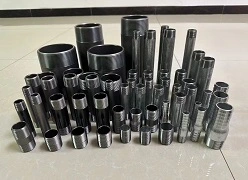
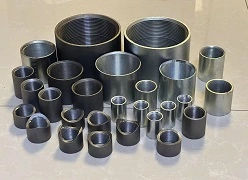
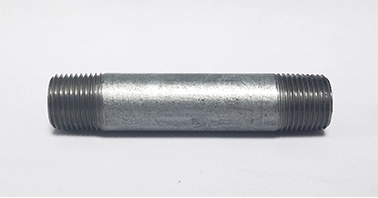
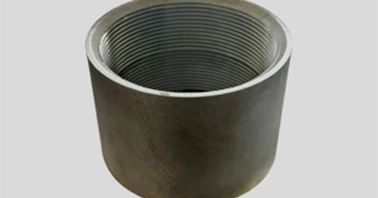
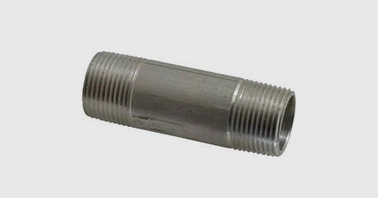
Pipe couplings are used to connect, extend, repair, and maintain piping systems across water supply, oil transportation, gas distribution, and industrial processing applications. By creating secure connections between pipes, they help improve installation efficiency, reduce leakage risks, and maintain pipeline integrity under different operating conditions. The selection of a suitable pipe coupling material, structure, and connection method depends on factors such as pressure, temperature, fluid characteristics, and environmental requirements.
For projects requiring reliable pipe connection solutions, working with an experienced pipe coupling factory can ensure consistent product quality, accurate dimensions, and compatibility with different piping systems.
How Do Pipe Couplings Improve the Performance of Water Piping Systems?
In water supply and distribution networks, pipe couplings provide a practical solution for joining pipes while maintaining flow efficiency and structural stability. A water pipe coupling is commonly used in municipal water pipelines, irrigation systems, wastewater treatment facilities, and building water installations.
Water piping systems often require connections that can withstand continuous pressure, vibration, and environmental exposure. High-quality couplings help prevent joint failures by maintaining proper alignment between pipe sections and reducing stress concentration at connection points.
Different water applications may require specific coupling designs. For example, flexible couplings can absorb minor pipe movement caused by ground settlement or thermal expansion, while rigid couplings are often selected for applications where maximum connection stability is required.
The choice of pipe coupling material also plays an important role. Materials such as stainless steel, ductile iron, carbon steel, and other corrosion-resistant alloys are selected based on water quality, operating pressure, and service environment.
Why Are Pipe Couplings Important in Oil Pipeline Applications?
Oil transportation systems operate under demanding conditions where connection reliability directly affects pipeline safety and operational efficiency. Pipe couplings are used in oil pipelines to connect pipe sections, support maintenance operations, and simplify installation in complex pipeline layouts.
In oil applications, couplings must withstand high pressure, mechanical stress, and exposure to chemical substances. The connection design needs to maintain sealing performance while preventing leakage during long-term operation.
A suitable coupling solution helps reduce installation time compared with more complex joining methods. During pipeline maintenance, removable coupling systems also allow damaged sections to be replaced more efficiently without requiring extensive reconstruction.
For oil-related projects, manufacturers usually consider factors such as pressure rating, corrosion resistance, and compatibility between the coupling and transported media when producing industrial pipe fittings.
How Are Gas Pipe Couplings Used in Gas Distribution Systems?
A gas pipe coupling is designed to provide secure connections in natural gas pipelines, industrial gas systems, and other gas transportation applications. Because gas leakage can create serious safety risks, coupling performance is critical for maintaining a reliable and sealed pipeline network.
Gas pipeline systems typically require couplings with excellent sealing capability, dimensional accuracy, and resistance to temperature fluctuations. Depending on the application, threaded, mechanical, or specialized connection methods may be selected to meet different installation requirements.
A reliable gas pipe coupling should provide:
Stable connection strength under operating pressure
Long-term sealing performance
Resistance to corrosion and external environmental factors
Compatibility with different pipe materials
For this reason, professional manufacturers carefully control manufacturing processes, material selection, and quality inspection to ensure couplings meet industrial safety requirements.
What Types of Pipe Couplings Are Used in Industrial Piping Systems?
Industrial piping systems cover a wide range of applications, including chemical processing, manufacturing plants, power facilities, and equipment connections. These environments often require customized coupling solutions based on operating conditions.
Common types of industrial pipe couplings include:
Rigid Pipe Couplings
Rigid couplings provide strong mechanical connections and are suitable for systems where pipe movement needs to be minimized. They are commonly used in high-pressure industrial pipelines and applications requiring stable alignment.
Flexible Pipe Couplings
Flexible couplings allow limited movement between connected pipes. They are useful in systems affected by vibration, thermal expansion, or ground movement because they help reduce stress transferred between pipe sections.
Threaded Pipe Couplings
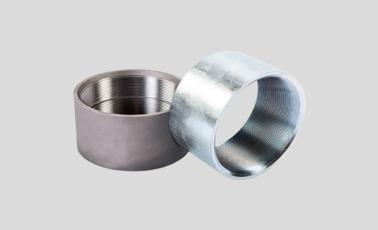
Threaded couplings are widely used for smaller-diameter pipes and applications where quick installation and maintenance are required. They provide convenient assembly while maintaining reliable connections.
How Does Pipe Coupling Material Affect Application Performance?
The selected pipe coupling material directly influences durability, corrosion resistance, and overall service life. Different industries require different material properties depending on working conditions.
Carbon steel couplings are commonly used in general industrial applications because of their strength and cost efficiency. Stainless steel couplings provide better corrosion resistance for chemical, food processing, and demanding environments. Ductile iron couplings are frequently used in water infrastructure due to their excellent mechanical strength and durability.
When selecting materials, engineers typically evaluate:
A professional pipe coupling factory can recommend suitable materials and designs based on specific project requirements.
What Should Be Considered When Selecting Pipe Couplings for Different Applications?
Choosing the correct pipe coupling requires more than matching pipe sizes. Engineers and buyers should evaluate the complete operating environment to ensure long-term reliability.
Important selection factors include:
Pipe Material Compatibility
The coupling should match the connected pipe materials to avoid connection problems, corrosion issues, or reduced service performance.
Pressure and Temperature Requirements
Different applications require different pressure ratings and temperature resistance. Oil, gas, and industrial systems often demand higher-performance coupling solutions compared with standard water applications.
Installation and Maintenance Requirements
Projects with frequent maintenance needs may benefit from removable coupling designs, while permanent installations may prioritize maximum connection strength.
Manufacturing Quality
Working with a reliable pipe coupling factory ensures that products meet dimensional accuracy requirements and maintain consistent performance across large-scale projects.
Conclusion
Pipe couplings play an essential role in connecting and maintaining modern piping systems across water, oil, gas, and industrial applications. From water pipe coupling solutions used in infrastructure projects to high-performance gas pipe coupling systems, the right coupling design improves pipeline reliability, safety, and operational efficiency.
Material selection, manufacturing precision, and application-specific engineering are key factors in achieving long-term performance. By choosing suitable coupling solutions from an experienced manufacturer, businesses can reduce maintenance challenges and build more dependable piping networks.
FAQs
What is the main purpose of a pipe coupling?
A pipe coupling connects two pipes together, allowing pipeline extension, repair, or system modification while maintaining a secure connection.
What materials are commonly used for pipe couplings?
Common pipe coupling material options include carbon steel, stainless steel, ductile iron, and other corrosion-resistant alloys.
Where are gas pipe couplings commonly used?
Gas pipe couplings are widely used in natural gas pipelines, industrial gas systems, and gas distribution networks.
How do I choose the right water pipe coupling?
A suitable water pipe coupling should be selected based on pipe size, pressure requirements, material compatibility, and installation conditions.
Why should I buy from a professional pipe coupling factory?
A reliable pipe coupling factory provides consistent quality, accurate manufacturing, and solutions designed for specific industrial applications.