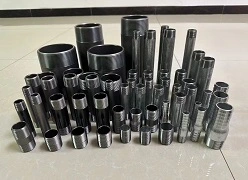
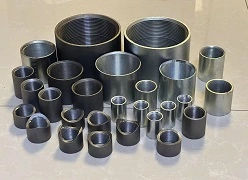
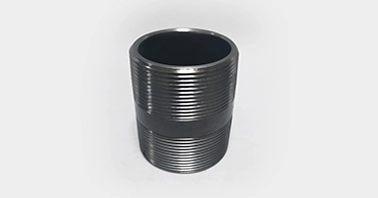
The material of a pipe nipple directly affects its strength, corrosion resistance, pressure capability, and service life. Choosing the correct pipe nipple material helps ensure reliable connections in industrial piping systems, especially in applications involving high pressure, temperature changes, chemicals, or continuous operation. Carbon steel, stainless steel, and other alloy materials each provide different performance characteristics depending on the working environment.
For projects that require consistent quality and accurate specifications, cooperating with an experienced pipe nipple factory helps ensure that materials, manufacturing processes, and thread standards meet application requirements.
What Is a Pipe Nipple and Why Does Material Matter?
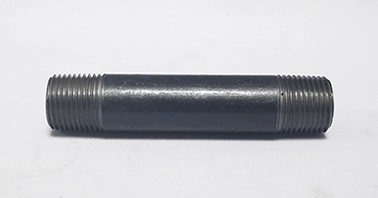
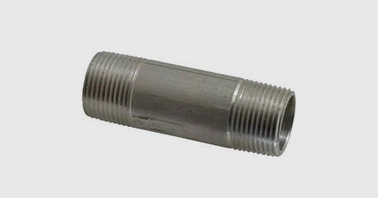
A pipe nipple definition refers to a short section of pipe, usually threaded at one or both ends, that is used to connect pipes, fittings, valves, or equipment within a piping system. Although pipe nipples are relatively simple components, their material selection has a significant impact on connection reliability and long-term performance.
The operating environment determines which material is suitable. A pipe nipple used in a water supply system may require corrosion resistance, while one installed in oil, gas, or industrial processing systems may need higher strength and chemical resistance.
The wrong material choice can lead to issues such as thread damage, corrosion, leakage, and premature replacement. Therefore, engineers usually evaluate pressure conditions, fluid characteristics, temperature range, and installation environment before selecting a pipe nipple.
How Does Pipe Nipple Material Influence Strength and Durability?
The mechanical strength of a pipe nipple depends largely on the properties of its material. In industrial piping systems, pipe nipples must withstand internal pressure, external loads, vibration, and repeated thermal expansion.
Carbon steel pipe nipples are widely used because they offer high strength and good cost efficiency. They are suitable for many general industrial applications, including water, air, oil, and gas systems.
Stainless steel pipe nipples provide improved corrosion resistance and are commonly selected for applications where exposure to moisture, chemicals, or aggressive fluids is expected. Their longer service life makes them valuable in demanding environments.
Other alloy materials may be selected for specialized applications requiring enhanced resistance to extreme temperatures or corrosive media.
A reliable pipe nipple factory considers both material performance and manufacturing accuracy to produce components that maintain connection integrity over long-term operation.
Which Pipe Nipple Material Is Best for Industrial Applications?
There is no single pipe nipple material that is suitable for every piping system. The best choice depends on operating conditions and project requirements.
Carbon Steel Pipe Nipples
Carbon steel is one of the most common materials for black pipe nipples because it provides:
Carbon steel pipe nipples are frequently used in construction, HVAC systems, fire protection pipelines, and general industrial applications.
Stainless Steel Pipe Nipples
Stainless steel is preferred when corrosion resistance is a priority. It performs well in environments involving:
Although stainless steel usually has a higher initial cost, its durability can reduce maintenance requirements over time.
Alloy Pipe Nipples
Special alloy materials are selected for extreme conditions where standard materials may not provide sufficient performance. These applications often include high-temperature systems, chemical processing equipment, and specialized industrial pipelines.
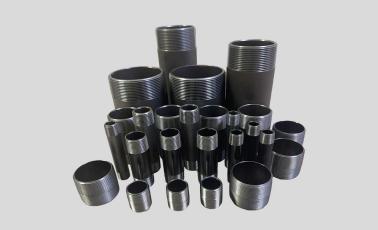
How Does Corrosion Resistance Affect Pipe Nipple Service Life?
Corrosion is one of the main factors affecting the lifespan of piping components. When pipe nipple materials are not suitable for the surrounding environment, corrosion can weaken the connection and increase the risk of leakage.
For water systems, corrosion resistance helps prevent internal deterioration caused by moisture exposure. In oil and gas applications, the material must withstand contact with hydrocarbons, chemicals, and changing operating conditions.
Surface treatments, protective coatings, and proper material selection can further improve service life. However, choosing the correct base material remains the most important factor in long-term performance.
Manufacturers with professional production capabilities can provide different material options based on application requirements, helping customers achieve better reliability and lower maintenance costs.
How Do Temperature and Pressure Requirements Affect Material Selection?
Temperature and pressure conditions directly influence the performance requirements of pipe nipples. Materials that perform well under normal conditions may not be suitable for extreme operating environments.
High-pressure systems require materials with sufficient tensile strength and structural stability. Similarly, high-temperature applications require materials that can maintain their mechanical properties without deformation or failure.
When selecting pipe nipples, engineers typically consider:
Maximum working pressure
Operating temperature range
Type of transported fluid
Required safety factors
Expected service duration
A professional pipe nipple factory can help match material specifications with project conditions to ensure reliable operation.
Why Is Manufacturing Quality Important Alongside Pipe Nipple Material?
Even high-performance materials cannot guarantee reliability without proper manufacturing control. Thread accuracy, dimensional consistency, and surface quality all influence the final performance of a pipe nipple.
During production, manufacturers should control:
For international industrial projects, selecting an experienced supplier ensures that pipe nipples meet required standards and maintain consistent quality across large orders.
Conclusion
The selection of pipe nipple material plays a critical role in determining strength, corrosion resistance, and service life. Carbon steel, stainless steel, and alloy materials each provide advantages for different piping applications, and the right choice depends on pressure, temperature, fluid characteristics, and environmental conditions.
Working with a reliable pipe nipple factory allows businesses to obtain products with consistent material quality, precise manufacturing, and dependable performance. By selecting the appropriate material from the beginning, companies can reduce maintenance costs and improve the long-term reliability of their piping systems.
FAQs
What is the definition of a pipe nipple?
A pipe nipple definition describes a short pipe fitting used to connect pipes, fittings, valves, or equipment, usually with threaded ends.
What is the most common pipe nipple material?
Carbon steel is one of the most commonly used materials because it provides good strength, durability, and cost efficiency.
How does material affect pipe nipple lifespan?
Material determines corrosion resistance, pressure performance, and durability, which directly influence service life.
Are stainless steel pipe nipples better than carbon steel?
Stainless steel provides better corrosion resistance, while carbon steel is often preferred for general industrial applications due to its strength and affordability.
How do I choose a reliable pipe nipple factory?
Choose a manufacturer with consistent material control, accurate production processes, quality inspection, and experience in industrial piping applications.