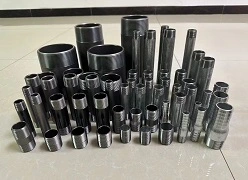
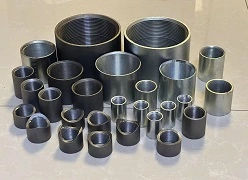
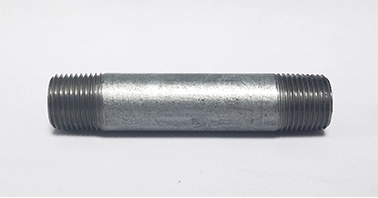
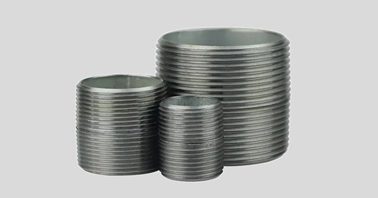
In 2026, contractors and distributors are operating in a market where labor costs are rising, project schedules are tighter, and the tolerance for post-installation leaks and rework is effectively zero. A niple galvanizado is one of the most common threaded fittings on any jobsite—but it is also one of the most frequently underspecified. Buyers focus on unit price and delivery lead time, while the variables that actually determine installation performance—thread taper accuracy, depth consistency, burr control, galvanizing uniformity, and thread standard compliance—are left unverified until problems appear on site.
The result is predictable: slow assembly, excessive PTFE tape consumption, cross-threading, pressure test failures, and callbacks that cost far more than the price difference between a cheap nipple and a precision-machined one. For distributors and contractors sourcing NPT galvanized nipples, precision threaded pipe fittings, or china hose pipe nipple products at scale, thread quality is not a premium feature—it is the baseline that determines whether the supply relationship is sustainable. TC Pipe Fittings manufactures pipe nipples with precision-machined threads gauged to NPT (ASME B1.20.1), BSPT, and ISO 7-1 standards, across galvanized, black, stainless steel, brass, and aluminum material options, for plumbing, HVAC, gas, water, and industrial process applications.
Why Cheap Niple Galvanizado Fails: The Hidden Cost of Poor Thread Quality
The failure modes of low-quality galvanized nipples are rarely visible in a warehouse inspection. They reveal themselves during installation—and the cost of each failure is measured in labor hours, not fitting price.
The most common thread-related failure points are:
Incorrect taper angle. NPT threads are tapered at 1° 47' per side (approximately 1 in 16 taper). A nipple machined outside this tolerance will either engage too loosely—requiring excessive sealant to compensate—or bind before reaching the correct make-up depth, creating a false sense of a tight joint that leaks under pressure.
Inconsistent thread depth. Shallow threads reduce the number of engaged thread turns, lowering the mechanical strength and sealing surface of the joint. Deep or irregular threads cause interference with mating fittings and increase cross-threading risk.
Burrs and rough thread finish. Machining burrs on thread crests or roots damage the mating fitting's threads on first assembly, creating leak paths that cannot be corrected by re-tightening. Rough thread finish increases assembly resistance and installer fatigue on high-volume installations.
Galvanizing buildup in thread roots. Excessive zinc coating in the thread profile reduces effective thread depth and changes the engagement geometry. Properly controlled galvanizing maintains thread dimensions within tolerance after coating.
Thread standard mismatch. NPT and BSPT threads have different taper angles and thread form geometry. Mixing standards—even in the same nominal pipe size—produces joints that appear assembled but are not properly sealed. In North American projects, NPT threads are governed by ASME B1.20.1; European and Asian projects typically require BSPT or ISO 7-1. Confirming the thread standard before ordering is a non-negotiable step in the procurement process.
TC Pipe Fittings addresses each of these failure modes through precision machining and threading technology, with threads gauged to the applicable standard and inspection conducted through manufacturing stages to confirm dimensional accuracy and leak-free connection performance.
How Precision Threaded Pipe Fittings Reduce Leaks and Cut Installation Time
The commercial case for precision threading is straightforward when the installation cost variables are itemized. A single leak callback on a commercial plumbing or HVAC project typically costs 5–20 times the value of the fitting involved, once labor mobilization, access, diagnosis, repair, and re-testing are included.
Precision threading improves installation performance through five mechanisms:
Correct taper supports predictable make-up depth. When the taper is accurate, installers reach the correct engagement depth at a consistent torque level. This eliminates guesswork, reduces over-tightening (which can crack fittings or strip threads), and produces a repeatable, reliable joint across an entire installation crew.
Accurate thread depth reduces cross-threading risk. Properly dimensioned threads guide the mating fitting into correct engagement from the first turn. Cross-threading—which typically occurs when thread geometry is inconsistent—is one of the leading causes of installation rework and fitting rejection.
Smooth thread finish lowers assembly resistance. A clean, burr-free thread surface reduces the torque required for assembly, lowering installer fatigue on high-volume installations and reducing the risk of over-tightening on smaller diameter nipples.
Controlled thread geometry reduces sealant dependency. A well-machined NPT joint relies on the mechanical interference of the tapered thread for its primary seal, with PTFE tape or pipe dope providing a secondary barrier. When thread geometry is poor, installers compensate with excessive sealant—which adds cost, slows installation, and can contaminate the system medium. Precision threads reduce this compensation behavior and produce more consistent sealing results.
Consistent quality reduces warehouse rejection rate. For distributors managing bulk inventory, a high rejection rate on incoming nipples—due to burrs, out-of-round ends, or thread gauge failures—adds hidden cost to every order. Precision-manufactured nipples with documented thread inspection reduce incoming QC burden and improve inventory reliability.
The 2026 labor cost context makes this argument stronger. As skilled plumbing and pipefitting labor becomes more expensive and harder to schedule, every minute saved per joint across a large installation compounds into meaningful project cost reduction. Precision threading is one of the few fitting specifications that directly reduces labor hours per connection.
Key Specifications for Sourcing NPT Galvanized Nipples and Wholesale Steel Nipples
A complete RFQ for wholesale steel nipples should define the nipple by working condition, thread standard, material, coating, schedule, and inspection requirement—not only by nominal diameter and length.
Material and Finish
| Material | Recommended Application |
|---|
| Galvanized carbon steel | Water supply, fire protection, utility systems, corrosion-prone environments |
| Black carbon steel | General industrial service, gas lines, HVAC where galvanizing is not required |
| Stainless steel 304 | General corrosion resistance, food-adjacent, water treatment |
| Stainless steel 316/316L | Marine, chloride environments, chemical exposure |
| Brass | Potable water, instrumentation, low-pressure utility |
| Aluminum | Lightweight applications, pneumatic systems |
Complete Specification Checklist
Thread standard: NPT (ASME B1.20.1) for North American markets; BSPT or ISO 7-1 for European and Asian projects—confirm before ordering
Pipe schedule: SCH40 for standard pressure applications; SCH80 for higher pressure or mechanical strength requirements; seamless for critical service
Length type: close nipple (threads meet at center), short nipple, long nipple, or custom length—confirm based on installation layout
Thread quality documentation: thread gauge inspection report, taper and depth verification, burr control confirmation
Galvanizing specification: confirm zinc coating thickness and thread-root clearance to ensure thread dimensions are maintained after coating
Pressure and temperature rating: confirm working pressure, test pressure, and temperature range for the specific medium (water, gas, oil, air, HVAC fluid, industrial process)
Inspection documents: certificate of analysis, dimensional inspection report, thread gauge report—required for project approval and distributor QC programs
TC Pipe Fittings offers multiple pipe nipple categories including galvanized, black, seamless, stainless steel, brass, aluminum, king nipples, and NPT SCH40/SCH80 pipe nipples, with precision threading and inspection across the product range.
Application Scenarios: Where High-Quality China Hose Pipe Nipple Supply Creates the Most Value
Plumbing and Water Supply Systems Threaded galvanized nipples are the standard connection element for water distribution piping, connecting pipes, valves, unions, and fittings throughout residential, commercial, and municipal systems. Precision threading reduces installation time per joint and lowers the probability of post-pressure-test leaks that require rework before system handover.
HVAC and Heating Systems Mechanical rooms and building HVAC infrastructure involve high connection density—dozens or hundreds of threaded joints in a confined space. Consistent thread quality across a bulk supply lot reduces the per-joint installation time and minimizes the risk of leaks that are difficult to access and repair after system commissioning.
Gas Pipelines and Fluid Transfer Gas line connections have zero tolerance for leaks. Precision-gauged NPT threads with controlled taper and clean thread roots provide the dimensional consistency required for reliable gas-tight joints. For hydraulic and fluid control systems, thread quality directly affects system pressure integrity and maintenance interval.
Industrial and Process Piping Chemical plants, refineries, and manufacturing facilities require nipples that maintain dimensional consistency across large supply quantities. Corrosion resistance, pressure rating, and thread standard compliance are all critical—and a single out-of-specification batch can cause project delays and safety concerns.
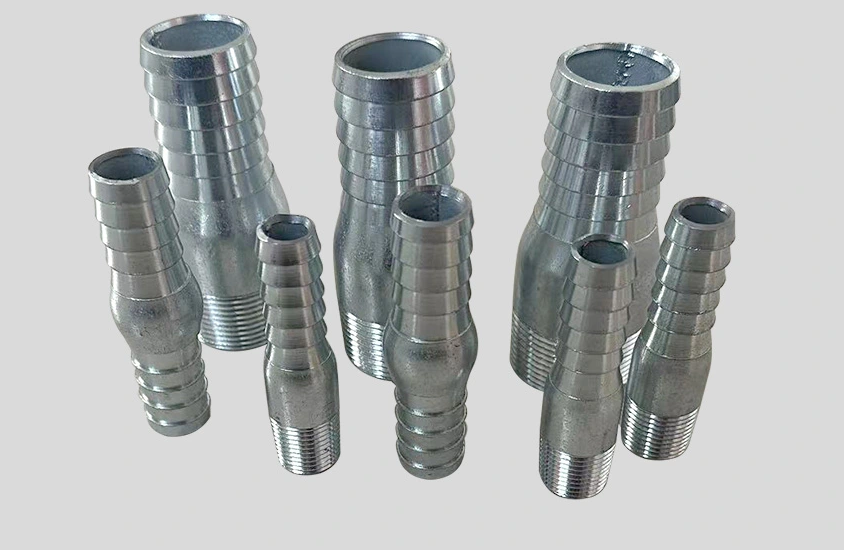
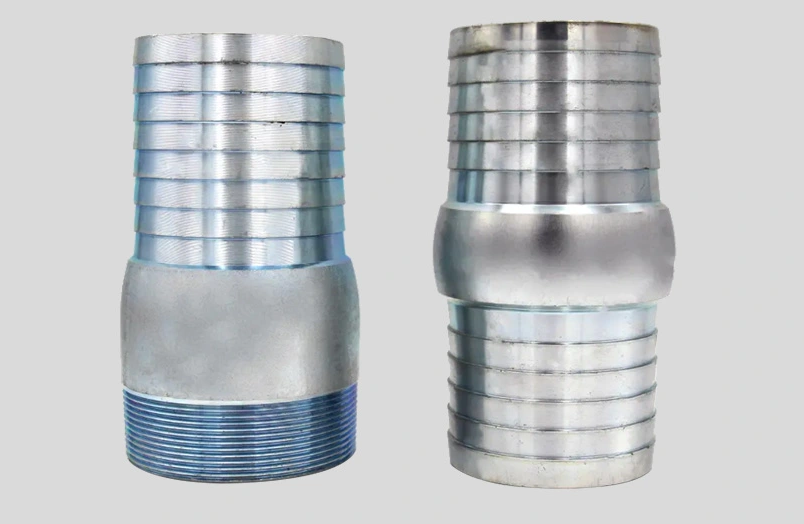
Hose-to-Pipe Transitions (King Nipple Applications) TC Pipe Fittings manufactures heavy-duty king nipples in stainless steel and carbon steel for industrial hose applications in suction and discharge service. A china hose pipe nipple in king nipple configuration provides the interface between threaded pipe systems and hose assemblies in firefighting, water transfer, chemical handling, and industrial fluid management. The quick-coupling mechanism of king nipples is particularly valuable in emergency response and high-frequency connect/disconnect applications where installation speed and leak prevention are both critical.
Marine, Sanitary, and Food Processing Applications Stainless steel nipples—particularly 316/316L grade—are used in marine piping, food processing equipment, pharmaceutical systems, and sanitary applications where corrosion resistance and microbial growth prevention are required. The combination of precision threading and corrosion-resistant material produces a fitting that maintains performance across the full service life without degradation of the thread interface.
Installation, Selection, Maintenance, and TCO: The Labor Cost Reduction Logic
Selection Workflow
Step 1 — Confirm the thread standard for the project market. NPT for North American projects (ASME B1.20.1); BSPT or ISO 7-1 for European and Asian markets. This is the single most important specification to confirm before ordering, as thread standard mismatch produces joints that cannot be properly sealed regardless of sealant quantity.
Step 2 — Match material and finish to the service environment.
Galvanized carbon steel for water, utility, and corrosion-prone environments
Black steel for general industrial and gas service
Stainless steel 304/316 for corrosive media, food-adjacent, or marine applications
Brass or aluminum where the application specifically requires it
Step 3 — Specify pipe schedule based on pressure requirements. SCH40 covers the majority of commercial plumbing and HVAC applications. SCH80 is required for higher-pressure service or where additional wall thickness provides mechanical protection. Seamless construction is specified for critical process service.
Step 4 — Require thread quality documentation. Request thread gauge inspection reports and dimensional verification before approving a new supplier or a new production batch. Testing sample nipples with mating fittings before bulk order—confirming make-up depth, torque feel, sealing performance, and coating consistency—is the most reliable pre-order quality check available.
Step 5 — Define sealant practice for the project. Precision threads reduce sealant dependency but do not eliminate it. Final sealant selection (PTFE tape, anaerobic sealant, or pipe dope) should be matched to the medium, pressure class, and project specification. Avoid over-wrapping, which can hydraulically lock joints and make future disassembly difficult.
Maintenance and TCO Advantages
Fewer callbacks and rework events are the primary TCO driver. A single leak callback on a commercial project—including labor mobilization, access, diagnosis, repair, and re-testing—typically costs multiples of the original fitting value. Precision threading reduces the probability of this event across every joint in the installation.
Lower sealant consumption reduces material cost and installation time on high-volume projects. When thread geometry is accurate, installers use the correct amount of sealant rather than compensating for poor fit with excessive tape or pipe dope.
Reduced warehouse rejection rate lowers the hidden cost of incoming QC for distributors. A consistent, well-documented supply lot reduces the time and labor spent on incoming inspection and reduces the risk of project delays caused by batch rejections.
Better repeat ordering economics for distributors and contractors. A reliable supply of precision-threaded nipples reduces the need for safety stock buffers maintained to compensate for quality variability, improving inventory efficiency and cash flow.
Longer service life from correctly specified material and coating reduces replacement frequency in operating systems, particularly in corrosive or high-cycle environments.
Conclusion
In 2026, the true cost of a niple galvanizado is not the unit price—it is the total installed cost including labor, sealant, rework, and callbacks. A precision-machined galvanized nipple with accurate thread taper, controlled depth, burr-free finish, and gauged compliance to NPT, BSPT, or ISO 7-1 standards reduces installation friction, lowers sealant waste, and prevents the pressure-test failures and leak callbacks that erode project margin. For distributors and contractors sourcing precision threaded pipe fittings, NPT galvanized nipples, or wholesale steel nipples at scale, TC Pipe Fittings provides multiple nipple categories, precision threading, material options, and custom supply support across plumbing, HVAC, gas, water, and industrial process applications.
Visit the TC Pipe Fittings Pipe Nipples product page to request a recommended configuration and quotation.
Please submit the following details for an accurate recommendation:
Work condition: Water, gas, oil, air, HVAC, hydraulic, industrial fluid, indoor or outdoor, corrosive environment (Y/N)
Quantity: Trial order, bulk wholesale quantity, or annual demand
Size/spec: Diameter, length type (close/short/long/custom), SCH40 or SCH80, thread standard (NPT/BSPT/ISO 7-1), material, finish (galvanized/black/stainless)
Target metrics: Leak-free joint performance, installation speed, corrosion resistance, pressure and temperature requirement, inspection documentation
Current problems: Thread mismatch, burrs, excessive PTFE tape use, slow installation, leaks after pressure test, high incoming rejection rate, inconsistent batch quality
FAQ
1. What is a niple galvanizado?
A galvanized pipe nipple—a short threaded pipe section used to connect two fittings, valves, or pipe sections. The zinc galvanizing provides corrosion protection for water, utility, and general plumbing applications. Available in close, short, long, and custom lengths, with NPT, BSPT, or ISO 7-1 thread options.
2. Galvanized nipple vs. black nipple vs. stainless steel nipple: which is better?
Galvanized nipple: zinc coating provides good corrosion resistance for water supply, fire protection, and utility systems—the standard choice for most plumbing applications.
Black nipple: no protective coating; suitable for general industrial service, gas lines, and HVAC where galvanizing is not required or not permitted.
Stainless steel nipple: superior corrosion resistance for chemical exposure, marine environments, food processing, and high-cleanliness applications. SS304 for general corrosion resistance; SS316/316L for chloride or marine environments.
Best choice depends on the medium, environment, and applicable project specification.
3. What is the ROI of precision threaded galvanized nipples?
ROI comes from faster installation per joint, fewer pressure-test failures, lower sealant consumption, reduced callbacks and rework, lower incoming rejection rates for distributors, and fewer project delays caused by batch quality issues. The labor cost saving per joint is small—but across hundreds or thousands of connections on a large project, it compounds into a meaningful total.
4. Do installers need to change their process when switching to higher-quality nipples?
No significant process change is required. Precision nipples are designed to fit standard installation workflows. Installers should confirm the thread standard matches the mating fittings, use the appropriate sealant for the medium and pressure class, avoid over-tightening, and follow the project's pressure-test requirements. The main observable difference is easier, faster assembly with less sealant compensation needed.
5. What parameters are needed for an accurate selection and quotation?
Nominal pipe size, length type (close/short/long/custom), thread standard (NPT/BSPT/ISO 7-1), pipe schedule (SCH40/SCH80), material, finish, medium, operating pressure and temperature, order quantity, packaging requirements, and any inspection documentation requirements such as thread gauge reports or dimensional QC certificates.